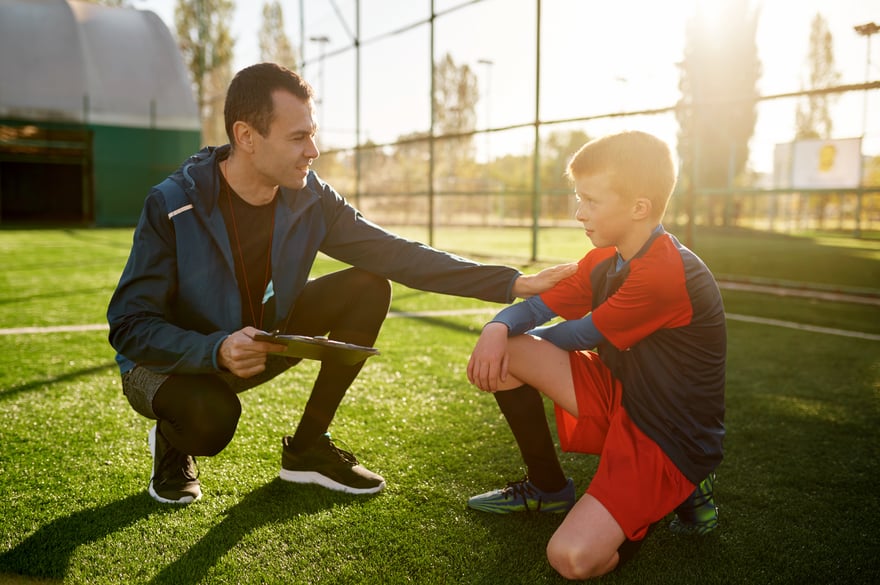
Pregame Jitters or Anxiety? How to Tell the Difference
Pacing the sidelines before big games or matches is a familiar sight for youth sports families. Watching an athlete deal with nerves right before the action begins can leave parents wondering how to help. Understanding youth sports psychology for parents starts with accurately identifying what your athlete is experiencing.
While some pregame nerves are entirely normal, other emotional hurdles can point to deep performance anxiety. Distinguishing between normal pregame butterflies and true performance anxiety enables you to provide purposeful, supportive guidance. When you know what to look for, you can help your athlete thrive and maintain their love for the game.
What are normal pregame jitters?
Normal pregame jitters are natural physical responses to competition caused by a surge of adrenaline and nervous energy. This biological response prepares the body to compete and perform at its best without causing significant distress or noticeable impairment. For most athletes, these standard jitters usually dissipate after the whistle blows and the play begins. These temporary feelings simply mean the athlete cares about their performance and is excited about the competition ahead.
What are some signs of the jitters?
Healthy pregame nerves present themselves in several visible ways on the sidelines. You can spot standard jitters by looking for these scannable signs:
- Quiet focus: An athlete might become unusually quiet or introspective as they mentally prepare for the game.
- Physical fidgeting: An athlete might bounce their feet, pace, or make meticulous adjustments to gear, which shows that the body is processing extra adrenaline.
- Expressed excitement: An athlete might openly talk about being nervous while remaining enthusiastic about playing.
Recognizing these behaviors helps you reassure your athlete that their feelings are completely normal.
When do nerves turn into performance anxiety?
Nerves turn into performance anxiety when the emotional distress becomes persistent, overwhelming, and detrimental to an athlete’s physical capabilities. Unlike the regular butterflies that disappear once a match starts, true anxiety lingers and interferes with execution. This type of distress actively hinders athletic ability, often causing athletes to freeze or lose focus during crucial plays. Understanding this distinction is a vital part of youth sports psychology for parents.
What are some symptoms of deeper anxiety?
Severe anxiety often disrupts sleep the night before a game and leaves an athlete feeling drained before they even reach the sidelines. Look out for these physical and emotional symptoms:
- Persistent physical distress, including intense nausea, frequent headaches, or shortness of breath before competing
- Avoidance behaviors, such as suddenly creating excuses to miss practice, feigning injuries, or wanting to abandon the sport entirely
- Negative self-talk, such as expressing an intense fear of failure or repeating statements about letting the team down
When these symptoms appear regularly, it indicates that the pressure has shifted from healthy excitement to detrimental anxiety.
Why do high expectations drive athletes away?
High expectations drive athletes away because rigid, outcome-based goals place immense pressure on performance rather than growth. When an athlete feels they must achieve specific metrics—such as scoring a set number of points or winning every match—the fun disappears. This intense pressure from the sidelines frequently leads to severe burnout and sudden performance slumps.
What are the impacts of sports anxiety?
The impacts of chronic sports anxiety can cause young athletes to walk away from sports entirely. Meanwhile, shifting the focus away from the scoreboard protects their mental well-being and restores enjoyment. Parents can counteract this pressure by using the following strategies:
- Reward effort over outcome. Celebrate hard work, determination, and resilience rather than just wins or points scored.
- Praise positive attitudes. Highlight when they demonstrate teamwork, support teammates from the sidelines, and show good sportsmanship.
- Emphasize soft skills. Remind athletes that youth sports build valuable lifelong traits, such as leadership, collaboration, and dedication.
Focusing on these elements helps alleviate anxiety and keeps the experience constructive.
How can parents provide authentic support from the sidelines?
Parents can provide authentic support from the sidelines by adopting an unconditionally supportive role that prioritizes the athlete's well-being over their athletic performance. When an athlete faces mental hurdles or finds themselves benched, your reaction shapes their recovery. Your primary job is to serve as a reliable source of encouragement and validation, regardless of the scoreboard.
Active listening is one of the most effective tools for a supportive parent. Try asking open-ended questions about how your athlete feels instead of critiquing how they played. It’s also highly beneficial to avoid reviewing every missed play during the car ride home. Giving them space after a tough game allows athletes to process their emotions without feeling judged, reinforcing that your support doesn’t depend on a flawless performance.
How can highlights shift an athlete's mental focus?
Capturing highlights shifts an athlete's mental focus by visually redirecting their attention away from mistakes and toward successful plays. Anxious athletes frequently fixate on their errors, creating a cycle of negative self-talk that harms future performance. Utilizing technology as a supportive tool can break this cycle effectively.
When you capture a great play natively within the Rematch app, you create an immediate spotlight on a positive moment. Watching a successful highlight visually reinforces an athlete's actual capabilities and talent. This positive reinforcement reminds them of what they can achieve, boosting confidence and allowing them to showcase their best skills with pride and without unnecessary pressure.
How does an app foster community validation?
An app fosters community validation by creating a shared space where teammates, family, and friends can celebrate an athlete's hard work. True performance anxiety can feel incredibly isolating for an athlete. Expanding the support system beyond the sidelines provides an excellent antidote to that isolation.
Every time a Rematcher captures and shares a highlight on the platform, they invite the community to rally around the athlete. This network of support provides vital validation that extends far beyond the immediate family. Getting celebrated by peers and relatives reinforces the message that every player matters and deserves to have their dedication recognized by the community.
What is the path forward for supporting your athlete?
Distinguishing between temporary pregame jitters and persistent performance anxiety helps parents give the right guidance at the right time. While normal butterflies disappear after the first whistle, deep anxiety requires a shift toward unconditional support and rewarding effort over outcomes. Parents play a critical, supportive role in shaping how young athletes view their sports journey. Adopting a positive approach keeps the environment empowering, valuable, and accessible for everyone involved.
Download the Rematch app today to start capturing the moments that build lasting confidence from the sidelines to the spotlight.