The Offseason Playbook: Training Without Burning Out
For many families, youth sports no longer follow a seasonal rhythm. Practices roll into private lessons, travel tournaments overlap with “optional” workouts, and before parents know it, the offseason has quietly disappeared.
What was once a natural break has become a hidden season filled with pressure to stay competitive, improve skills, and keep pace with peers who seem to train year-round. While dedication and consistency matter, the modern youth sports landscape presents a growing challenge: how to support improvement without pushing young athletes toward physical exhaustion or emotional burnout.
Offseason training for youth athletes shouldn’t be about doing more. Instead, it should be about doing what is right for long-term development, health, and enjoyment of the game. By understanding how to train smarter and value rest as part of performance, families can protect their child’s well-being while fostering a lifelong love of sports.
The Hidden Season: Why What Happens Between Games Matters Most
In today’s youth sports culture, year-round participation in a single sport has become increasingly common. Club teams, specialized coaches, and competitive recruiting environments often encourage athletes to focus early and train continuously. While this approach may seem like a pathway to success, sports medicine experts have raised significant concerns about its long-term consequences.
Offseason training for youth athletes is meant to be restorative and developmental, yet it is frequently treated as an extension of the competitive season. This shift has contributed to rising rates of overuse injuries, chronic soreness, and mental fatigue among young players. According to pediatric health organizations, sports specialization risks include stress fractures, tendon injuries, and a greater likelihood of youth athlete burnout.
On top of the physical element, there’s an emotional toll when young athletes feel constant pressure to perform and compete. The joy that once drew them to the sport is replaced by obligation. Injury prevention in youth sports depends not only on physical safeguards but also on respecting the mental limits of developing athletes.
The offseason, though often overlooked, plays a defining role in an athlete’s long-term health and relationship with sports. Keeping the following tips in mind will make the most of the hidden season for your child.
The Goldilocks Approach: Finding the “Just Right” Training Balance
A healthy offseason is neither completely inactive nor relentlessly intense. The most effective offseason training plan for youth athletes finds a middle ground. Ideally, it includes movement challenging enough to promote growth but balanced enough to allow recovery. Parents can think of this approach as a series of foundational pillars rather than a rigid checklist.
Skill Development Over Repetitive Strain
The offseason offers an ideal environment for refining technique without the pressure of competition. Instead of repeating the same drills at game speed, athletes can slow down, focus on form, and develop new skills. This approach reduces repetitive strain while encouraging thoughtful improvement.
For example, a baseball player might work on footwork and throwing mechanics rather than high-volume pitching. A soccer player may focus on ball control, weaker-foot passing, or tactical awareness. Low-pressure learning helps athletes grow without accumulating unnecessary physical stress.
Smart Strength Training for Youth Athletes
Strength training for youth athletes can be both safe and beneficial when done correctly. The focus should be on functional movement patterns, balance, coordination, and core stability; young athletes should avoid maximum weight or adult-style lifting routines.
Age-appropriate strength programs emphasize bodyweight exercises, resistance bands, and light weights under proper supervision. These methods support injury prevention, improve posture, and prepare the body for more advanced training later on. When designed thoughtfully, strength work becomes a protective tool rather than a risk factor.
The Power of Cross-Training
Cross-training for youth athletes is one of the most effective ways to build overall athleticism while preventing overuse injuries. Participating in different activities, such as swimming, cycling, or martial arts, challenges the body in new ways and helps develop a broader skill set.
Beyond physical benefits, cross-training keeps training fresh. It introduces variety, reduces monotony, and reminds young athletes that movement can be fun. This diverse approach supports long-term engagement and helps prevent mental fatigue associated with year-round repetition.
Building in True Rest and Recovery
Rest and recovery for young athletes go beyond taking a day off from practice. True recovery requires adequate sleep, proper nutrition, hydration, and unstructured downtime. It also means allowing space for other interests, social time, and mental relaxation.
Effective offseason workouts for youth athletes intentionally include a concept known as periodization, which includes lighter weeks or rest periods. By adjusting training intensity over time, athletes can improve performance while minimizing injury risk and emotional exhaustion.
Listen to the Athlete, Not Just the Schedule
Even the most carefully planned offseason conditioning program must remain flexible. Every athlete responds differently to training, and parents play a crucial role in recognizing when adjustments are needed.
Common signs of youth athlete burnout include:
-
- Persistent fatigue or lingering soreness
- Irritability or mood changes
- Loss of enthusiasm for practices or games
- Declining academic performance
- Frequent minor injuries or illness
- Difficulty sleeping
When these signs appear, it may indicate that the training load for youth athletes is too high. Parents should feel empowered to advocate for their child by initiating conversations with coaches or trainers.
Helpful conversation starters include asking:
-
- How many rest days are built into the program?
- Are alternative activities encouraged this offseason?
- How is progress measured beyond constant participation?
Successful offseason training values communication, adaptability, and the athlete’s overall well-being—not just adherence to a schedule.
The Mental Game: Rest as a Performance Strategy, Not a Setback
The phrase “no days off” has become ingrained in sports culture, but for young athletes, this mindset can be counterproductive. Mental recovery is just as important as physical rest, and both are essential to long-term success.
Time away from a primary sport allows the brain to reset. Mental breaks can improve focus, decision-making, and motivation upon return. Without rest, athletes may struggle with concentration, confidence, and enjoyment.
Even elite athletes understand the value of stepping away. Michael Jordan famously played professional baseball during a break from basketball, while Roger Federer strategically scheduled rest periods throughout his career to extend longevity.
Rest isn’t a sign of weakness—it’s a competitive advantage. When parents present recovery as a tool for growth, children are more likely to embrace balance and avoid year-round sports burnout.
Capturing the Whole Journey: The Moments That Don’t Happen on Game Day
The offseason often lacks the visible excitement of competition, yet it’s where some of the most meaningful growth occurs. Early morning workouts, conditioning drills, and the friendships formed through shared effort all contribute to an athlete’s story.
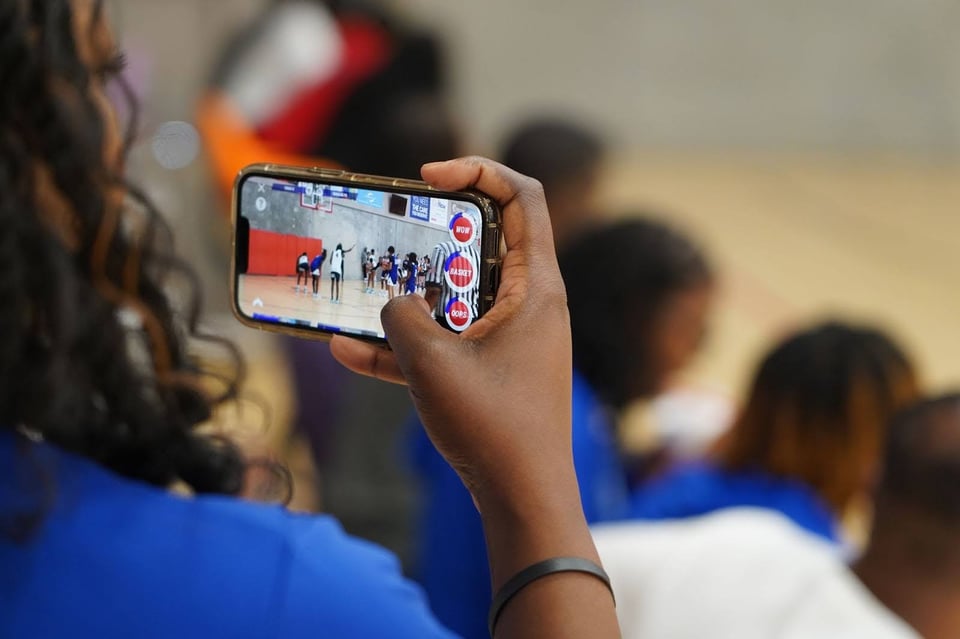
Rematch plays a unique role in the offseason. More than a highlight reel app, the platform is designed to capture the full youth sports journey. It’s not just about the goals, points, or wins.
Rematch’s AI-driven technology allows families to document the process: the small victories achieved off the scoreboard and the character developed over time. By preserving these moments, parents can help young athletes see progress beyond statistics. Offseason youth training becomes part of a larger narrative that values dedication, balance, and personal growth as much as performance.
The offseason is an opportunity to protect both the body and the mind, ensuring that young athletes return to competition stronger, healthier, and more motivated. It’s also a time filled with moments worth remembering.
To capture the full story of your child’s athletic journey, from offseason training to game day highlights, download the Rematch app or subscribe to The Rundown. Celebrate progress, preserve memories, and support experiences that shape your athlete for life.